About Your
electric co-op
What is a Cooperative?
A cooperative is formed when a group of people (called members) combine their resources to meet a common need. As not-for-profit businesses owned by the members we serve, cooperatives aren’t in it for the money and don’t have shareholders to make rich. In fact, when cooperatives make more money than we spend, and when we’re doing well financially, that extra money (called margins) goes right back into our members’ pockets in the form of a capital credit.
Learn More About The History Of Co-ops:
7 Cooperative Principles
Every cooperative operates by these seven guiding principles to ensure fair and equal treatment for their members.
1. Voluntary and Open Membership
Cooperatives are voluntary organizations, open to all persons able to use their services and willing to accept the responsibilities of membership, without gender, social, racial, political, or religious discrimination.
2. Democratic Member Control
Cooperatives are democratic organizations controlled by their members, who actively participate in setting policies and making decisions. The elected representatives are accountable to the membership. In primary cooperatives, members have equal voting rights (one member, one vote) and cooperatives at other levels are organized in a democratic manner.
3. Members' Economic Participation
Members contribute equitably to, and democratically control, the capital of their cooperative. At least part of that capital is usually the common property of the cooperative. Members usually receive limited compensation, if any, on capital subscribed as a condition of membership. Members allocate surpluses for any or all of the following purposes: developing the cooperative, possibly by setting up reserves, part of which at least would be indivisible; benefiting members in proportion to their transactions with the cooperative; and supporting other activities approved by the membership.
4. Autonomy and Independence
Cooperatives are autonomous, self-help organizations controlled by their members. If they enter into agreements with other organizations, including governments, or raise capital from external sources, they do so on terms that ensure democratic control by their members and maintain their cooperative autonomy.
5. Education, Training, and Information
Cooperatives provide education and training for their members, elected representatives, managers, and employees so they can contribute effectively to the development of their cooperatives. They inform the general public, particularly young people and opinion leaders, about the nature and benefits of cooperation.
6. Cooperation Among Cooperatives
Cooperatives serve their members most effectively and strengthen the cooperative movement by working together through local, national, regional, and international structures.
7. Concern for Community
While focusing on member needs, cooperatives work for the sustainable development of their communities through policies accepted by their members.
Our History
Born Out of Necessity and Ingenuity
HomeWorks was founded in 1937 by farmers in Eaton, Ingham and Jackson counties to fulfill a need for electricity in rural areas left behind by the big-city utilities. Today, we’re proud to still be serving you and your neighbors in that same Cooperative Spirit. We’ve grown a lot over the past eight decades, but we’re still driven by the same guiding principle, to meet the needs and exceed the expectations of you, our members. It is our pleasure to serve you.
Continuing The Tradition
In 1999, our members voiced a need for quality propane service, and our subsidiary, Tri-County Propane, was born. Today, we’re following that same path again with the development of HomeWorks Connect. Through this project, we’re working to bring broadband access to all of our members across rural mid-Michigan at a time when it’s needed most.

Our Service Area
Through the years, we’ve expanded our service area into parts of 13 counties across rural mid-Michigan. For fair member representation, the service area is divided into seven districts. For a detailed breakdown of our service area by county, district and township, click here.
Member Controlled
Service Oriented
Community Focused
Our Mission
The mission of HomeWorks Tri-County Electric Cooperative is to provide our members and customers with energy, comfort, and communication solutions that will enhance their quality of life.
Our Vision
To provide resources to encourage growth of safe and enjoyable places to live, work, and play throughout the rural mid-Michigan communities we serve.
“The forward march of electric cooperatives has an even more profound significance in our fight to preserve democracy.”
– Franklin D. Roosevelt
The best part about being part of a cooperative is that YOU have a voice in everything we do! Learn about your Co-op’s governance, our annual district membership meetings, your director election, and how you can make an impact in your community through being involved with the electric cooperative you own.
THE LEADERSHIP TEAM

Chris O'Neill
General Manager/CEO
517-647-1284
coneill@homeworks.org

Tom Manting
Chief Operating Officer
517-647-1236
tmanting@homeworks.org

Samantha Campbell
Chief Financial Officer
517-647-1281
scampbell@homeworks.org

Angel McCliggott
Chief Relationship Officer
517-647-1294
amccliggott@homeworks.org

Michelle Huhn
Executive Assistant
517-647-1272
mhuhn@homeworks.org
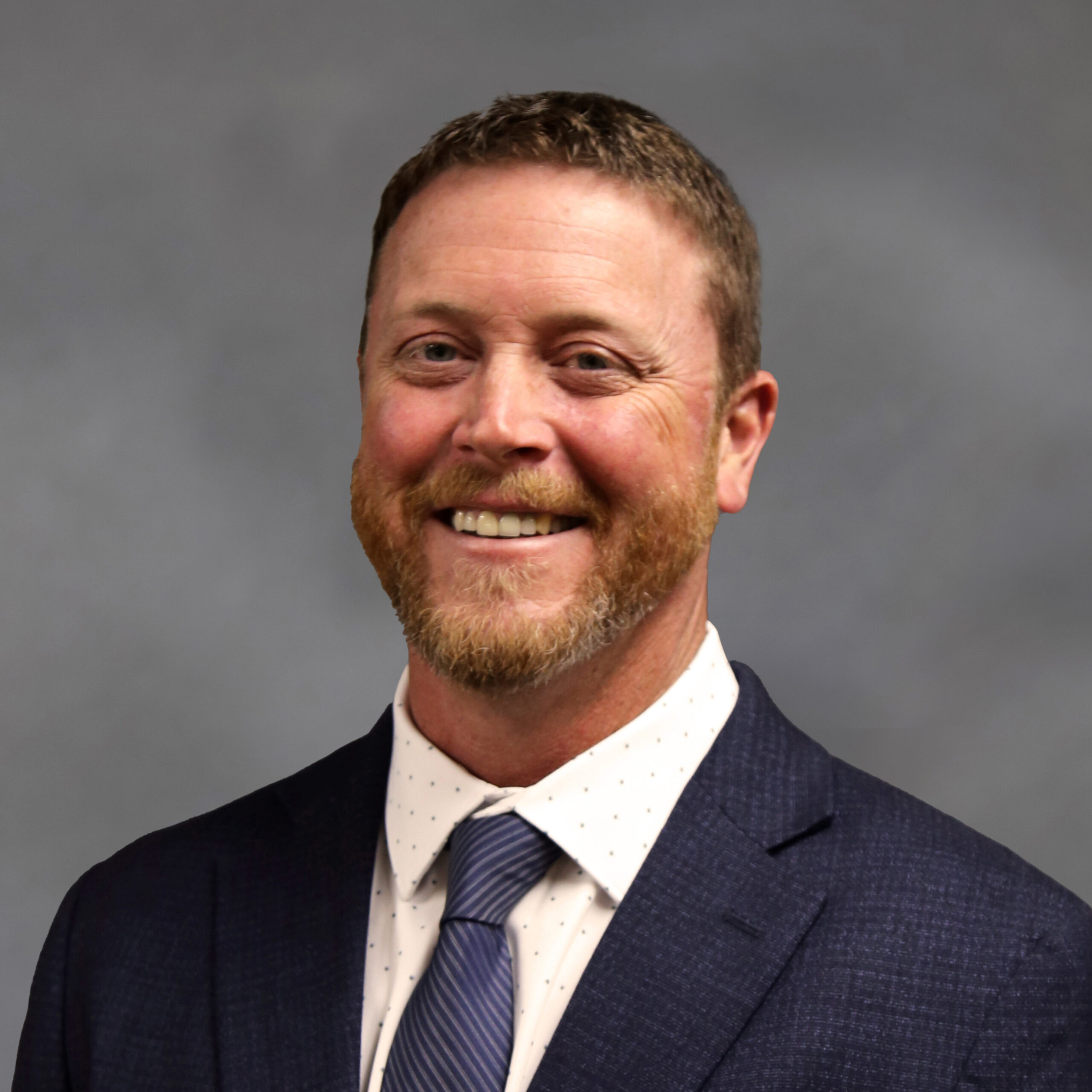
Ryan Smith
ELectric & Fiber Operations Manager
517-647-1254
rsmith@homeworks.org

Neal Swain
Propane Operations Manager
517-647-1251
nswain@homeworks.org

Chris Jensen
Engineering services manager
517-647-1241
cjensen@homeworks.org
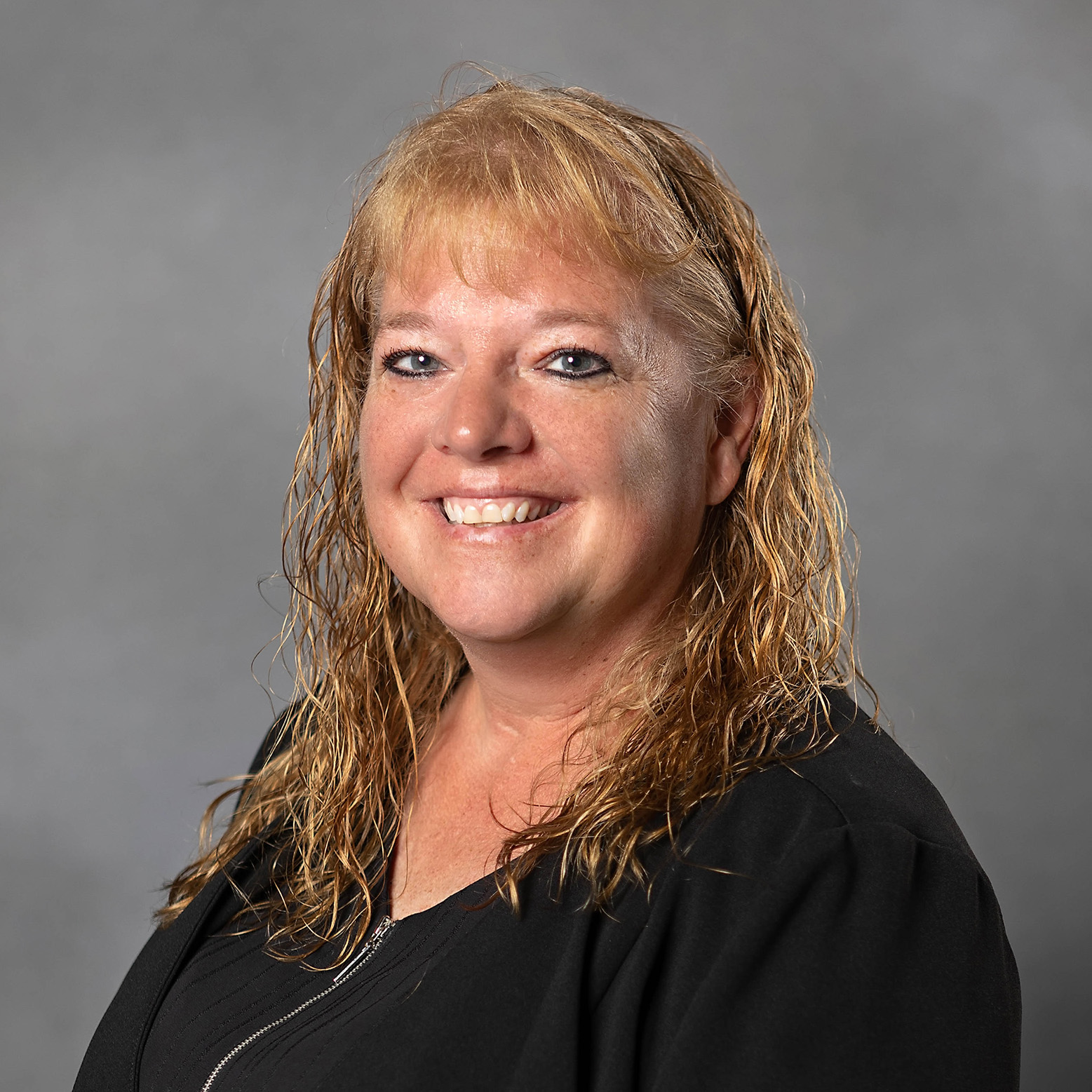
Missy Robson
Member services manager
517-647-1208
mrobson@homeworks.org

Charly Markwart
Communications manager
517-647-1210
cmarkwart@homeworks.org
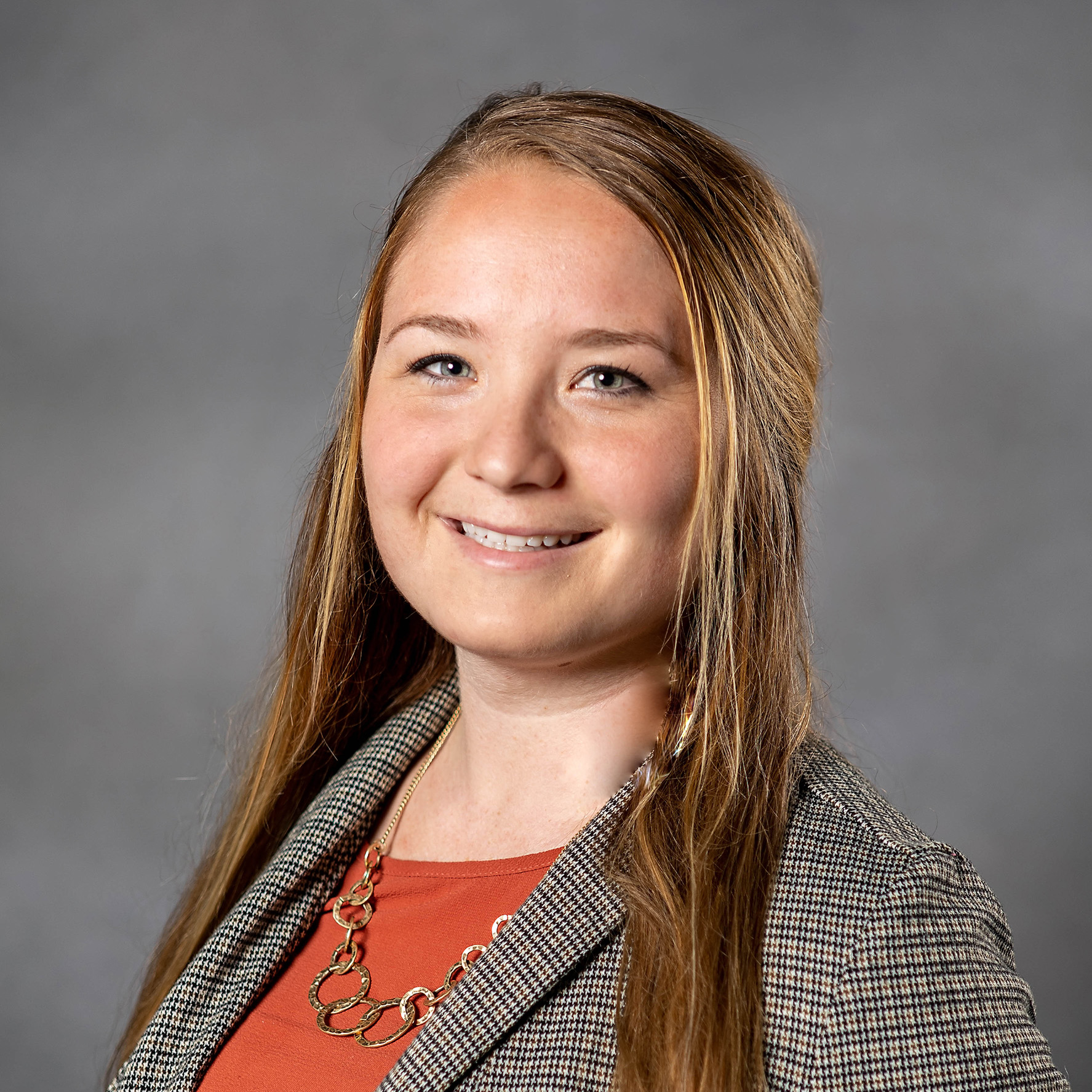
Kacey Thelen
Marketing Manager
517-647-1237
kthelen@homeworks.org

Matt Stambaugh
Strategic Projects Manager
517-647-1252
mstambaugh@homeworks.org

Brandon Trierweiler
Business Development Manager
517-647-1213
btrierweiler@homeworks.org